‘Alone Together’ to be screened at Nassau Shul on April 19; Maya Tiberman, director, to discuss
Ravit Reichman , a volunteer with Israel’s First Hug Association, holds two abandoned newborns in her arms in a still from the documentary “Alone…
Rhonda Rosenheck
3 mins read
Published by
The Jewish World
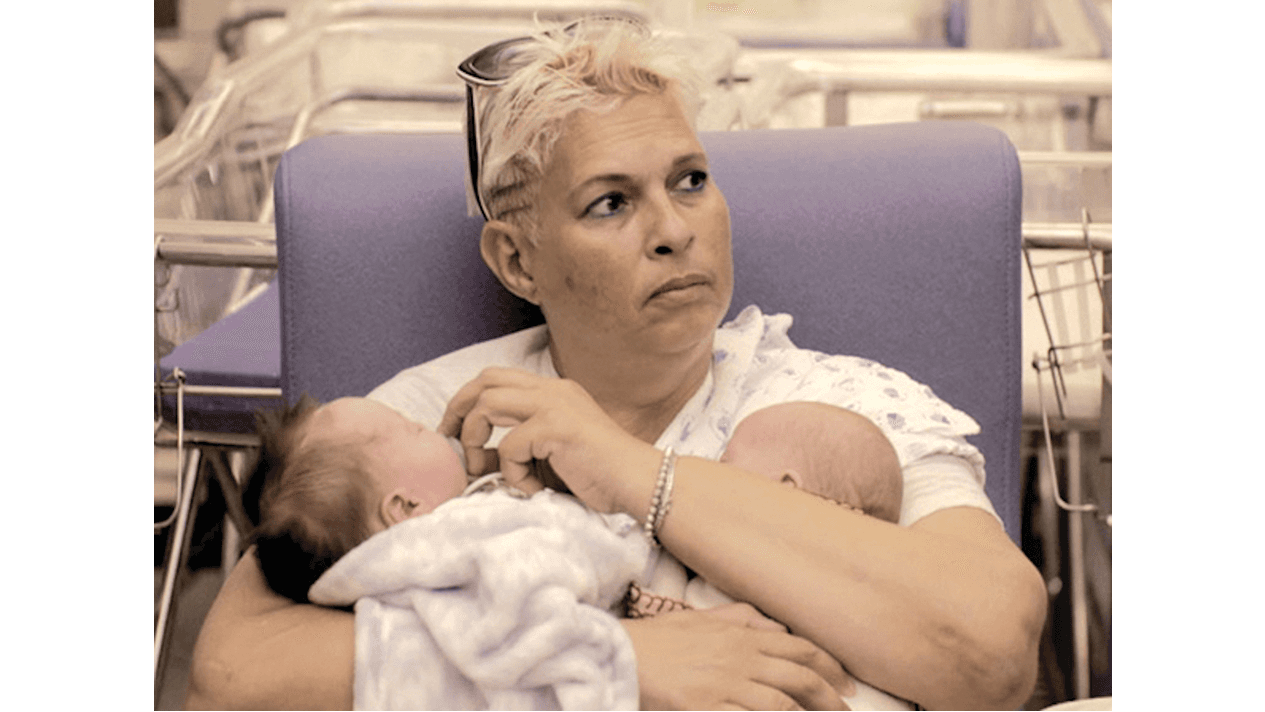
Ravit Reichman, a volunteer with Israel’s First Hug Association, holds two abandoned newborns in her arms in a still from the documentary “Alone Together.” The film will be screened at the Nasssau Shul on Sunday, April 19, at 10:30 a.m.
It might be unfair to frame a review of a documentary about a secular Israeli with words of Torah, but I can’t help myself.
“Alone Together” introduces us to the chef at a Tel Aviv homeless center who volunteers hours each week hugging abandoned infants. Most commentators agree that when God instructs the Israelites to “love your fellow” (Leviticus 19:18), the command is not to feel a certain way but rather to act a certain way—with loving-kindness. The verse’s modifier, “…like yourself,” could mean to act the way you wish others would act toward you or to act lovingly because you and others are alike.
Loving The Other
Either way, Maya Tiberman and Kineret Hay-Gillor, directors, present viewers with a living exemplar of v’ahavtah l’reyechah kamochah in the 56-minute film about Ravit Reichman. When eulogizing her father, Reichman says that he taught her to “give to others.” Reichman lives to give love and understands that about herself. She volunteers with Israel’s First Hug Association, hugging, cuddling, bathing, and whispering encouragement to abandoned infants.
We first meet Reichman while she is up to her wrists in couscous, managing a commercial kitchen. We see a too-tall, too-wide, hunch-shouldered, middle-aged woman sporting a denim tote bag and fake-gold earrings. Reichman’s superpowers shine through later when she takes an infant in her arms, radiates love, and saves its life.
Later, we learn that the kitchen she leads feeds destitute people whom she circulates among at mealtimes, mothering each person.
ADVERTISEMENT
If there is a plot beyond “Alone Together’s” intimate character study, the documentary builds suspense through Reichman’s melancholy and loneliness. Something unsettled needs resolution. The film production heightens this tension with oppressive silence during scenes of Reichman’s down time.
Expectations
Throughout the film, Reichman chafes against limited opportunities to love. She is not in a romantic relationship. Illness made childbearing virtually impossible. Being unmarried, we learn, makes adoption impossible. Even her efforts to act lovingly toward members of her family of origin thud against silent indifference. Reichman takes steps toward becoming a foster parent—the only avenue left open to her—but reflects deeply on the risks.
Toward the film’s end, the directors play with our expectations: One scene looks like Reichman is in labor while another feels like a bride’s appointment with a make-up artist. I’ll say only that we are rewarded along with Reichman when her sadness gives way to joy and gratitude. As much, and as fleetingly, as any human or superheroine can, Reichman has achieved loving her fellow as herself.
I, for one, am grateful Ravit Reichman exists and that “Alone Together” introduced me to her. If I see Reichman lumbering down a street in Tel Aviv, I will certainly recognize her and almost as certainly will throw my arms around her—my “fellow”—in a tight hug.
“Alone Together” will be screened on Sunday, April 19, 10:30 a.m. at the Nassau Synagogue and Jewish Community Center, 12 Albany Ave., Nassau. www.nassausynagogue.org. A director’s talk by Maya Tiberman, director, will be featured. Refreshments will be served. $10/person is the suggested admission/ donation. Those planning to attend are asked to preregister at https://tinyurl.com/Film-Alone-Together.
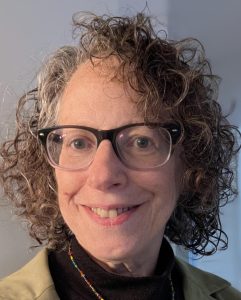
RHONDA ROSENHECK reviewed the documentary, which will be featured at the Nassau Synagogue.
Rhonda Rosenheck, M.Ed., is a poet, writer, Nassau Shul congregant and retired Jewish educator living in New York’s Capital Region. She may be e-mailed at rrosenheck@gmail.com.
ADVERTISEMENT
‘Alone Together’ to be screened at Nassau Shul on April 19; Maya Tiberman, director, to discuss
Ravit Reichman , a volunteer with Israel’s First Hug Association, holds two abandoned newborns in her arms in a still from the documentary “Alone…
Rhonda Rosenheck
3 mins read
Published by
The Jewish World
Ravit Reichman, a volunteer with Israel’s First Hug Association, holds two abandoned newborns in her arms in a still from the documentary “Alone Together.” The film will be screened at the Nasssau Shul on Sunday, April 19, at 10:30 a.m.
It might be unfair to frame a review of a documentary about a secular Israeli with words of Torah, but I can’t help myself.
“Alone Together” introduces us to the chef at a Tel Aviv homeless center who volunteers hours each week hugging abandoned infants. Most commentators agree that when God instructs the Israelites to “love your fellow” (Leviticus 19:18), the command is not to feel a certain way but rather to act a certain way—with loving-kindness. The verse’s modifier, “…like yourself,” could mean to act the way you wish others would act toward you or to act lovingly because you and others are alike.
Loving The Other
Either way, Maya Tiberman and Kineret Hay-Gillor, directors, present viewers with a living exemplar of v’ahavtah l’reyechah kamochah in the 56-minute film about Ravit Reichman. When eulogizing her father, Reichman says that he taught her to “give to others.” Reichman lives to give love and understands that about herself. She volunteers with Israel’s First Hug Association, hugging, cuddling, bathing, and whispering encouragement to abandoned infants.
We first meet Reichman while she is up to her wrists in couscous, managing a commercial kitchen. We see a too-tall, too-wide, hunch-shouldered, middle-aged woman sporting a denim tote bag and fake-gold earrings. Reichman’s superpowers shine through later when she takes an infant in her arms, radiates love, and saves its life.
Later, we learn that the kitchen she leads feeds destitute people whom she circulates among at mealtimes, mothering each person.
ADVERTISEMENT
If there is a plot beyond “Alone Together’s” intimate character study, the documentary builds suspense through Reichman’s melancholy and loneliness. Something unsettled needs resolution. The film production heightens this tension with oppressive silence during scenes of Reichman’s down time.
Expectations
Throughout the film, Reichman chafes against limited opportunities to love. She is not in a romantic relationship. Illness made childbearing virtually impossible. Being unmarried, we learn, makes adoption impossible. Even her efforts to act lovingly toward members of her family of origin thud against silent indifference. Reichman takes steps toward becoming a foster parent—the only avenue left open to her—but reflects deeply on the risks.
Toward the film’s end, the directors play with our expectations: One scene looks like Reichman is in labor while another feels like a bride’s appointment with a make-up artist. I’ll say only that we are rewarded along with Reichman when her sadness gives way to joy and gratitude. As much, and as fleetingly, as any human or superheroine can, Reichman has achieved loving her fellow as herself.
I, for one, am grateful Ravit Reichman exists and that “Alone Together” introduced me to her. If I see Reichman lumbering down a street in Tel Aviv, I will certainly recognize her and almost as certainly will throw my arms around her—my “fellow”—in a tight hug.
“Alone Together” will be screened on Sunday, April 19, 10:30 a.m. at the Nassau Synagogue and Jewish Community Center, 12 Albany Ave., Nassau. www.nassausynagogue.org. A director’s talk by Maya Tiberman, director, will be featured. Refreshments will be served. $10/person is the suggested admission/ donation. Those planning to attend are asked to preregister at https://tinyurl.com/Film-Alone-Together.
RHONDA ROSENHECK reviewed the documentary, which will be featured at the Nassau Synagogue.
Rhonda Rosenheck, M.Ed., is a poet, writer, Nassau Shul congregant and retired Jewish educator living in New York’s Capital Region. She may be e-mailed at rrosenheck@gmail.com.
ADVERTISEMENT
‘Alone Together’ to be screened at Nassau Shul on April 19; Maya Tiberman, director, to discuss
Ravit Reichman , a volunteer with Israel’s First Hug Association, holds two abandoned newborns in her arms in a still from the documentary “Alone…
Rhonda Rosenheck
3 mins read
Published by
The Jewish World
Ravit Reichman, a volunteer with Israel’s First Hug Association, holds two abandoned newborns in her arms in a still from the documentary “Alone Together.” The film will be screened at the Nasssau Shul on Sunday, April 19, at 10:30 a.m.
It might be unfair to frame a review of a documentary about a secular Israeli with words of Torah, but I can’t help myself.
“Alone Together” introduces us to the chef at a Tel Aviv homeless center who volunteers hours each week hugging abandoned infants. Most commentators agree that when God instructs the Israelites to “love your fellow” (Leviticus 19:18), the command is not to feel a certain way but rather to act a certain way—with loving-kindness. The verse’s modifier, “…like yourself,” could mean to act the way you wish others would act toward you or to act lovingly because you and others are alike.
Loving The Other
Either way, Maya Tiberman and Kineret Hay-Gillor, directors, present viewers with a living exemplar of v’ahavtah l’reyechah kamochah in the 56-minute film about Ravit Reichman. When eulogizing her father, Reichman says that he taught her to “give to others.” Reichman lives to give love and understands that about herself. She volunteers with Israel’s First Hug Association, hugging, cuddling, bathing, and whispering encouragement to abandoned infants.
We first meet Reichman while she is up to her wrists in couscous, managing a commercial kitchen. We see a too-tall, too-wide, hunch-shouldered, middle-aged woman sporting a denim tote bag and fake-gold earrings. Reichman’s superpowers shine through later when she takes an infant in her arms, radiates love, and saves its life.
Later, we learn that the kitchen she leads feeds destitute people whom she circulates among at mealtimes, mothering each person.
ADVERTISEMENT
If there is a plot beyond “Alone Together’s” intimate character study, the documentary builds suspense through Reichman’s melancholy and loneliness. Something unsettled needs resolution. The film production heightens this tension with oppressive silence during scenes of Reichman’s down time.
Expectations
Throughout the film, Reichman chafes against limited opportunities to love. She is not in a romantic relationship. Illness made childbearing virtually impossible. Being unmarried, we learn, makes adoption impossible. Even her efforts to act lovingly toward members of her family of origin thud against silent indifference. Reichman takes steps toward becoming a foster parent—the only avenue left open to her—but reflects deeply on the risks.
Toward the film’s end, the directors play with our expectations: One scene looks like Reichman is in labor while another feels like a bride’s appointment with a make-up artist. I’ll say only that we are rewarded along with Reichman when her sadness gives way to joy and gratitude. As much, and as fleetingly, as any human or superheroine can, Reichman has achieved loving her fellow as herself.
I, for one, am grateful Ravit Reichman exists and that “Alone Together” introduced me to her. If I see Reichman lumbering down a street in Tel Aviv, I will certainly recognize her and almost as certainly will throw my arms around her—my “fellow”—in a tight hug.
“Alone Together” will be screened on Sunday, April 19, 10:30 a.m. at the Nassau Synagogue and Jewish Community Center, 12 Albany Ave., Nassau. www.nassausynagogue.org. A director’s talk by Maya Tiberman, director, will be featured. Refreshments will be served. $10/person is the suggested admission/ donation. Those planning to attend are asked to preregister at https://tinyurl.com/Film-Alone-Together.
RHONDA ROSENHECK reviewed the documentary, which will be featured at the Nassau Synagogue.
Rhonda Rosenheck, M.Ed., is a poet, writer, Nassau Shul congregant and retired Jewish educator living in New York’s Capital Region. She may be e-mailed at rrosenheck@gmail.com.
ADVERTISEMENT
‘Alone Together’ to be screened at Nassau Shul on April 19; Maya Tiberman, director, to discuss
Ravit Reichman , a volunteer with Israel’s First Hug Association, holds two abandoned newborns in her arms in a still from the documentary “Alone…
Rhonda Rosenheck
3 mins read
Published by
The Jewish World
Ravit Reichman, a volunteer with Israel’s First Hug Association, holds two abandoned newborns in her arms in a still from the documentary “Alone Together.” The film will be screened at the Nasssau Shul on Sunday, April 19, at 10:30 a.m.
It might be unfair to frame a review of a documentary about a secular Israeli with words of Torah, but I can’t help myself.
“Alone Together” introduces us to the chef at a Tel Aviv homeless center who volunteers hours each week hugging abandoned infants. Most commentators agree that when God instructs the Israelites to “love your fellow” (Leviticus 19:18), the command is not to feel a certain way but rather to act a certain way—with loving-kindness. The verse’s modifier, “…like yourself,” could mean to act the way you wish others would act toward you or to act lovingly because you and others are alike.
Loving The Other
Either way, Maya Tiberman and Kineret Hay-Gillor, directors, present viewers with a living exemplar of v’ahavtah l’reyechah kamochah in the 56-minute film about Ravit Reichman. When eulogizing her father, Reichman says that he taught her to “give to others.” Reichman lives to give love and understands that about herself. She volunteers with Israel’s First Hug Association, hugging, cuddling, bathing, and whispering encouragement to abandoned infants.
We first meet Reichman while she is up to her wrists in couscous, managing a commercial kitchen. We see a too-tall, too-wide, hunch-shouldered, middle-aged woman sporting a denim tote bag and fake-gold earrings. Reichman’s superpowers shine through later when she takes an infant in her arms, radiates love, and saves its life.
Later, we learn that the kitchen she leads feeds destitute people whom she circulates among at mealtimes, mothering each person.
ADVERTISEMENT
If there is a plot beyond “Alone Together’s” intimate character study, the documentary builds suspense through Reichman’s melancholy and loneliness. Something unsettled needs resolution. The film production heightens this tension with oppressive silence during scenes of Reichman’s down time.
Expectations
Throughout the film, Reichman chafes against limited opportunities to love. She is not in a romantic relationship. Illness made childbearing virtually impossible. Being unmarried, we learn, makes adoption impossible. Even her efforts to act lovingly toward members of her family of origin thud against silent indifference. Reichman takes steps toward becoming a foster parent—the only avenue left open to her—but reflects deeply on the risks.
Toward the film’s end, the directors play with our expectations: One scene looks like Reichman is in labor while another feels like a bride’s appointment with a make-up artist. I’ll say only that we are rewarded along with Reichman when her sadness gives way to joy and gratitude. As much, and as fleetingly, as any human or superheroine can, Reichman has achieved loving her fellow as herself.
I, for one, am grateful Ravit Reichman exists and that “Alone Together” introduced me to her. If I see Reichman lumbering down a street in Tel Aviv, I will certainly recognize her and almost as certainly will throw my arms around her—my “fellow”—in a tight hug.
“Alone Together” will be screened on Sunday, April 19, 10:30 a.m. at the Nassau Synagogue and Jewish Community Center, 12 Albany Ave., Nassau. www.nassausynagogue.org. A director’s talk by Maya Tiberman, director, will be featured. Refreshments will be served. $10/person is the suggested admission/ donation. Those planning to attend are asked to preregister at https://tinyurl.com/Film-Alone-Together.
RHONDA ROSENHECK reviewed the documentary, which will be featured at the Nassau Synagogue.
Rhonda Rosenheck, M.Ed., is a poet, writer, Nassau Shul congregant and retired Jewish educator living in New York’s Capital Region. She may be e-mailed at rrosenheck@gmail.com.
ADVERTISEMENT
Related News
Culture
Arts & Entertainment
May 3 documentary at SJCC reveals overlooked Shoah women’s history
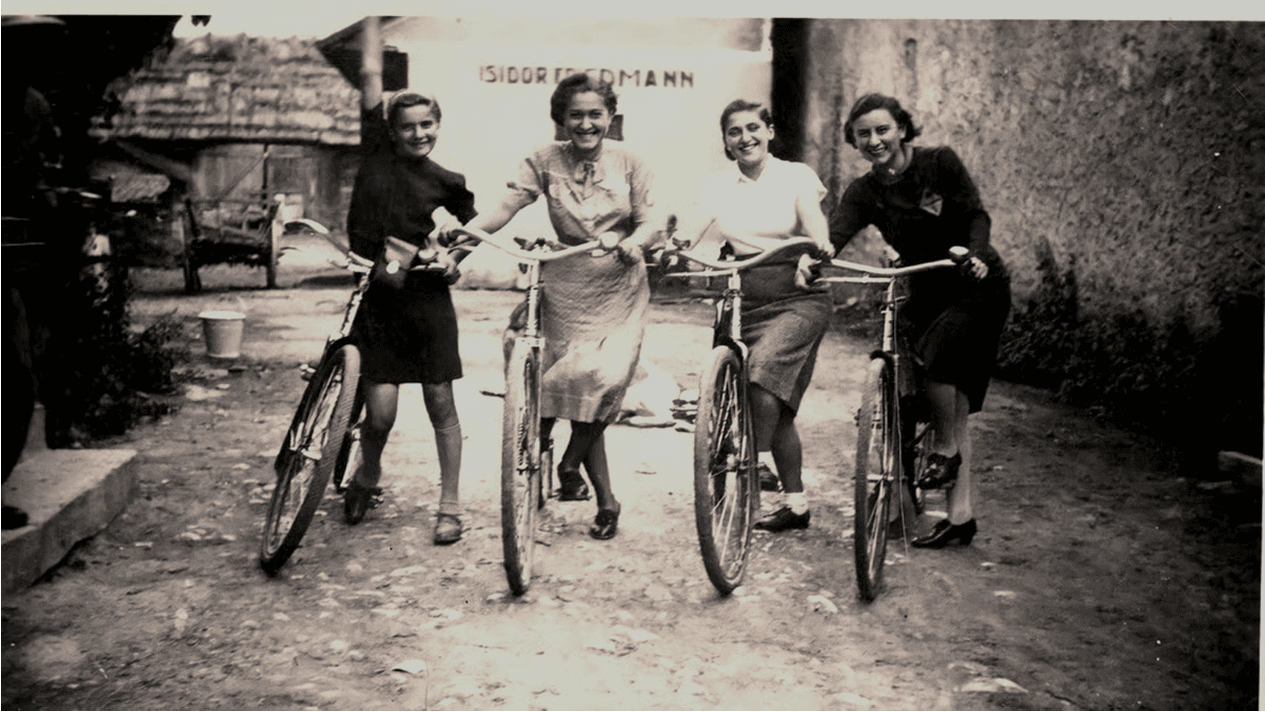
A still from the “999: The Forgotten Girls” documentary slated to be shown at the SJCC film festival on May 3.
The Jewish World Team
April 23, 2026
Culture
Arts & Entertainment
‘Alone Together’ to be screened at Nassau Shul on April 19; Maya Tiberman, director, to discuss
Ravit Reichman , a volunteer with Israel’s First Hug Association, holds two abandoned newborns in her arms in a still from the documentary “Alone…
Rhonda Rosenheck
April 16, 2026

Culture
Arts & Entertainment
‘Odette,’ screening set for April 12 at Temple Sinai
Screenshot from the movie “Odette.” SARATOGA SPRINGS – Saratoga Jewish Community Arts (SJCA), with a grant from the Jewish Federation of Northeastern…
The Jewish World Team
April 9, 2026
Culture
Arts & Entertainment
May 3 documentary at SJCC reveals overlooked Shoah women’s history
A still from the “999: The Forgotten Girls” documentary slated to be shown at the SJCC film festival on May 3.
The Jewish World Team
April 23, 2026
Culture
Arts & Entertainment
‘Alone Together’ to be screened at Nassau Shul on April 19; Maya Tiberman, director, to discuss
Ravit Reichman , a volunteer with Israel’s First Hug Association, holds two abandoned newborns in her arms in a still from the documentary “Alone…
Rhonda Rosenheck
April 16, 2026
Culture
Arts & Entertainment
‘Odette,’ screening set for April 12 at Temple Sinai
Screenshot from the movie “Odette.” SARATOGA SPRINGS – Saratoga Jewish Community Arts (SJCA), with a grant from the Jewish Federation of Northeastern…
The Jewish World Team
April 9, 2026

Culture
Arts & Entertainment
Silent Film to be screened with live musical accompaniment at the Yiddish Book Center
– The Yiddish Book Center will present a screening of “ The Man Without a World” with live original music composed and performed by klezmer…
The Jewish World Team
March 19, 2026

© 2026 The Jewish World · Since 1965 - The Capital Region's gateway to Jewish life
Designed and Developed by Ta-Da Studios
© 2026 The Jewish World · Since 1965 - The Capital Region's gateway to Jewish life
Designed and Developed by Ta-Da Studios
© 2026 The Jewish World · Since 1965 - The Capital Region's gateway to Jewish life
Designed and Developed by Ta-Da Studios
© 2026 The Jewish World · Since 1965 - The Capital Region's gateway to Jewish life
Designed and Developed by Ta-Da Studios