A different Chanukah holiday for this generation
The writer’s childhood Chanukah sat beside neighbors’ Christmas displays. The one her grandchildren know means something different.
Meryl Ain
4
Published by
JNS
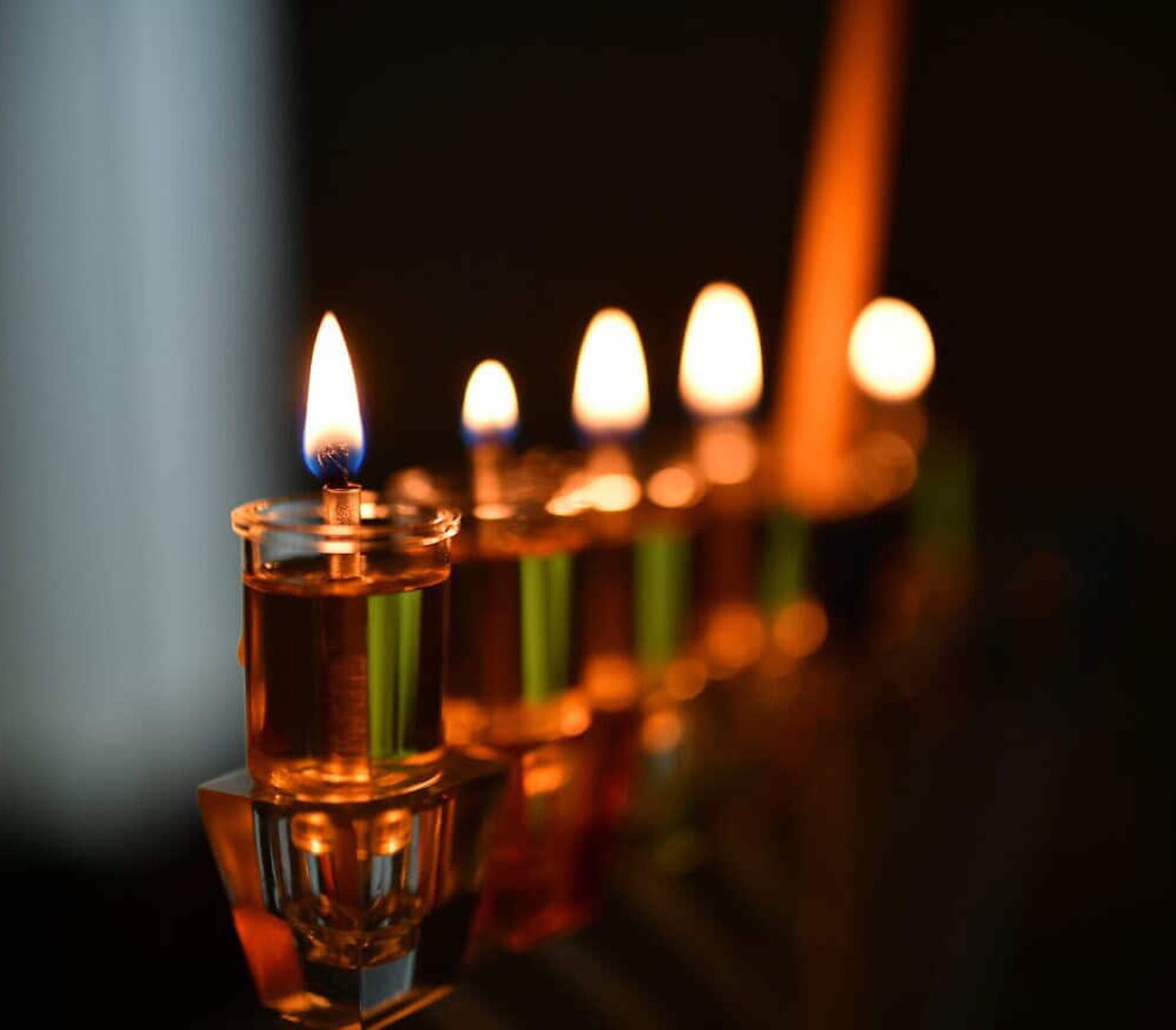
A Chanukah menorah in Jerusalem, Dec. 14, 2020. Photo courtesy of Mendy Hechtman/Flash90.
I doubt that my grandchildren would recognize the Chanukahs of my childhood. They took place amid the backdrop of my best friends’ and next-door neighbors’ Christmas extravaganzas. Their homes looked to me like fairy houses strung with colored lights on the outside and huge Christmas trees in the living room, with colored balls and delicate, shiny angels on top.
Xmas envy
Underneath the tree were beautifully wrapped presents in all shapes and sizes. This was long before there were Chanukah decorations and lights in the stores or on people’s homes. In my family, we had a wind-up menorah that played Israel’s national anthem, “Hatikvah,” and I could never grasp the fun of playing dreidel. Even as a child, it felt so simplistic and boring to me.
Silly song?
Although half of the children in my elementary school were Jewish, the Christian and Jewish teachers ignored Chanukah and taught us only Christmas carols. But let’s face it, the only well-known song back then was “I Have a Little Dreidel.” The words were so lame, even to my 7-year-old ears, that it was embarrassing.
“I have a little dreidel, I made it out of clay
And when it’s dry and ready,
Oh, dreidel, I will play.”
Besides, no one I knew made their own dreidels. If you looked hard enough, you could perhaps find them in the stationery store.
I still remember my fourth-grade teacher, Mrs. Jacobson, who was in my mother’s B’nai B’rith chapter, matter-of-factly teaching us the words to “O Come, All Ye Faithful.” She told us the Jewish children could sing “Dom Ne Num” instead of “Christ the Lord” at the end of the song. That evening at our dinner table, my father informed me that “Dom Ne Num” was just the Latin translation of the divinity of Jesus.
Even in our family circle, our Chanukah party was nothing to write home about. After the business meeting discussing the cemetery plots was finished, Aunt Minnie, who was the only unmarried sister of my grandmother’s 11 siblings, distributed presents to the children. She had purchased them at John’s Bargain Store, which is to say they would never have been found anywhere near my friends’ Christmas trees.
Of course, I, like most other Jewish kids, harbored a secret envy of Christmas, especially when I saw the big dolls and dollhouses and bicycles that my friends received. My gifts were more modest—gloves, an angora hat, some new socks.
When my three children were young, I was determined to make Chanukah a better experience for them with better celebrations and bigger gifts. Of course, they attended a Jewish day school, which helped immeasurably.
Now, our children and grandchildren have the Chanukah of my childhood dreams—receiving as gifts enormous Lego sets, Barbie playhouses and pink cars, American Girl dolls and video games. My granddaughter’s best friend, who is Catholic, said that she wishes she were Jewish so she could celebrate the holiday and receive gifts each of the eight nights.
ADVERTISEMENT
Anti-Semitism
But in a way, I feel sorry for our children and grandchildren. We grew up with the specter of the bomb. They are living in a time of virulent anti-Semitism. Do they dare wear a Jewish symbol in public? In 2024, there were 9,354 anti-Semitic incidents recorded across the United States, according to the Anti-Defamation League’s annual report. This marks the highest number of incidents ever recorded since the ADL began tracking this data 46 years ago—a 5% increase from the previous record set in 2023.
Still, Chanukah comes this year smack in the middle of the Christmas season. Its central theme is symbolized by the miracle of the oil burning for eight days. It’s estimated that 60% of American Jews light the menorah on each of the eight nights of the holiday. And some display electric menorahs in their windows and decorate their homes.
Keep the lights burning
I remind myself that Jews have always faced discrimination and that Chanukah is the ultimate holiday of standing up for ourselves. It represents the triumph of religious freedom over oppression, and the importance of faith, courage and bringing light to the darkness.
In 1982, Peter Yarrow, the only Jewish member of the music trio Peter, Paul and Mary, wrote “Light One Candle,” and the trio first performed it at Carnegie Hall that year. It has become a Chanukah anthem. The refrain, “Don’t let the light go out … ,” is especially meaningful in these trying times.
This year, more than ever, we need that light.
ADVERTISEMENT
ADVERTISEMENT
A different Chanukah holiday for this generation
The writer’s childhood Chanukah sat beside neighbors’ Christmas displays. The one her grandchildren know means something different.
Meryl Ain
4
Published by
JNS
A Chanukah menorah in Jerusalem, Dec. 14, 2020. Photo courtesy of Mendy Hechtman/Flash90.
I doubt that my grandchildren would recognize the Chanukahs of my childhood. They took place amid the backdrop of my best friends’ and next-door neighbors’ Christmas extravaganzas. Their homes looked to me like fairy houses strung with colored lights on the outside and huge Christmas trees in the living room, with colored balls and delicate, shiny angels on top.
Xmas envy
Underneath the tree were beautifully wrapped presents in all shapes and sizes. This was long before there were Chanukah decorations and lights in the stores or on people’s homes. In my family, we had a wind-up menorah that played Israel’s national anthem, “Hatikvah,” and I could never grasp the fun of playing dreidel. Even as a child, it felt so simplistic and boring to me.
Silly song?
Although half of the children in my elementary school were Jewish, the Christian and Jewish teachers ignored Chanukah and taught us only Christmas carols. But let’s face it, the only well-known song back then was “I Have a Little Dreidel.” The words were so lame, even to my 7-year-old ears, that it was embarrassing.
“I have a little dreidel, I made it out of clay
And when it’s dry and ready,
Oh, dreidel, I will play.”
Besides, no one I knew made their own dreidels. If you looked hard enough, you could perhaps find them in the stationery store.
I still remember my fourth-grade teacher, Mrs. Jacobson, who was in my mother’s B’nai B’rith chapter, matter-of-factly teaching us the words to “O Come, All Ye Faithful.” She told us the Jewish children could sing “Dom Ne Num” instead of “Christ the Lord” at the end of the song. That evening at our dinner table, my father informed me that “Dom Ne Num” was just the Latin translation of the divinity of Jesus.
Even in our family circle, our Chanukah party was nothing to write home about. After the business meeting discussing the cemetery plots was finished, Aunt Minnie, who was the only unmarried sister of my grandmother’s 11 siblings, distributed presents to the children. She had purchased them at John’s Bargain Store, which is to say they would never have been found anywhere near my friends’ Christmas trees.
Of course, I, like most other Jewish kids, harbored a secret envy of Christmas, especially when I saw the big dolls and dollhouses and bicycles that my friends received. My gifts were more modest—gloves, an angora hat, some new socks.
When my three children were young, I was determined to make Chanukah a better experience for them with better celebrations and bigger gifts. Of course, they attended a Jewish day school, which helped immeasurably.
Now, our children and grandchildren have the Chanukah of my childhood dreams—receiving as gifts enormous Lego sets, Barbie playhouses and pink cars, American Girl dolls and video games. My granddaughter’s best friend, who is Catholic, said that she wishes she were Jewish so she could celebrate the holiday and receive gifts each of the eight nights.
ADVERTISEMENT
Anti-Semitism
But in a way, I feel sorry for our children and grandchildren. We grew up with the specter of the bomb. They are living in a time of virulent anti-Semitism. Do they dare wear a Jewish symbol in public? In 2024, there were 9,354 anti-Semitic incidents recorded across the United States, according to the Anti-Defamation League’s annual report. This marks the highest number of incidents ever recorded since the ADL began tracking this data 46 years ago—a 5% increase from the previous record set in 2023.
Still, Chanukah comes this year smack in the middle of the Christmas season. Its central theme is symbolized by the miracle of the oil burning for eight days. It’s estimated that 60% of American Jews light the menorah on each of the eight nights of the holiday. And some display electric menorahs in their windows and decorate their homes.
Keep the lights burning
I remind myself that Jews have always faced discrimination and that Chanukah is the ultimate holiday of standing up for ourselves. It represents the triumph of religious freedom over oppression, and the importance of faith, courage and bringing light to the darkness.
In 1982, Peter Yarrow, the only Jewish member of the music trio Peter, Paul and Mary, wrote “Light One Candle,” and the trio first performed it at Carnegie Hall that year. It has become a Chanukah anthem. The refrain, “Don’t let the light go out … ,” is especially meaningful in these trying times.
This year, more than ever, we need that light.
ADVERTISEMENT
ADVERTISEMENT
A different Chanukah holiday for this generation
The writer’s childhood Chanukah sat beside neighbors’ Christmas displays. The one her grandchildren know means something different.
Meryl Ain
4
Published by
JNS
A Chanukah menorah in Jerusalem, Dec. 14, 2020. Photo courtesy of Mendy Hechtman/Flash90.
I doubt that my grandchildren would recognize the Chanukahs of my childhood. They took place amid the backdrop of my best friends’ and next-door neighbors’ Christmas extravaganzas. Their homes looked to me like fairy houses strung with colored lights on the outside and huge Christmas trees in the living room, with colored balls and delicate, shiny angels on top.
Xmas envy
Underneath the tree were beautifully wrapped presents in all shapes and sizes. This was long before there were Chanukah decorations and lights in the stores or on people’s homes. In my family, we had a wind-up menorah that played Israel’s national anthem, “Hatikvah,” and I could never grasp the fun of playing dreidel. Even as a child, it felt so simplistic and boring to me.
Silly song?
Although half of the children in my elementary school were Jewish, the Christian and Jewish teachers ignored Chanukah and taught us only Christmas carols. But let’s face it, the only well-known song back then was “I Have a Little Dreidel.” The words were so lame, even to my 7-year-old ears, that it was embarrassing.
“I have a little dreidel, I made it out of clay
And when it’s dry and ready,
Oh, dreidel, I will play.”
Besides, no one I knew made their own dreidels. If you looked hard enough, you could perhaps find them in the stationery store.
I still remember my fourth-grade teacher, Mrs. Jacobson, who was in my mother’s B’nai B’rith chapter, matter-of-factly teaching us the words to “O Come, All Ye Faithful.” She told us the Jewish children could sing “Dom Ne Num” instead of “Christ the Lord” at the end of the song. That evening at our dinner table, my father informed me that “Dom Ne Num” was just the Latin translation of the divinity of Jesus.
Even in our family circle, our Chanukah party was nothing to write home about. After the business meeting discussing the cemetery plots was finished, Aunt Minnie, who was the only unmarried sister of my grandmother’s 11 siblings, distributed presents to the children. She had purchased them at John’s Bargain Store, which is to say they would never have been found anywhere near my friends’ Christmas trees.
Of course, I, like most other Jewish kids, harbored a secret envy of Christmas, especially when I saw the big dolls and dollhouses and bicycles that my friends received. My gifts were more modest—gloves, an angora hat, some new socks.
When my three children were young, I was determined to make Chanukah a better experience for them with better celebrations and bigger gifts. Of course, they attended a Jewish day school, which helped immeasurably.
Now, our children and grandchildren have the Chanukah of my childhood dreams—receiving as gifts enormous Lego sets, Barbie playhouses and pink cars, American Girl dolls and video games. My granddaughter’s best friend, who is Catholic, said that she wishes she were Jewish so she could celebrate the holiday and receive gifts each of the eight nights.
ADVERTISEMENT
Anti-Semitism
But in a way, I feel sorry for our children and grandchildren. We grew up with the specter of the bomb. They are living in a time of virulent anti-Semitism. Do they dare wear a Jewish symbol in public? In 2024, there were 9,354 anti-Semitic incidents recorded across the United States, according to the Anti-Defamation League’s annual report. This marks the highest number of incidents ever recorded since the ADL began tracking this data 46 years ago—a 5% increase from the previous record set in 2023.
Still, Chanukah comes this year smack in the middle of the Christmas season. Its central theme is symbolized by the miracle of the oil burning for eight days. It’s estimated that 60% of American Jews light the menorah on each of the eight nights of the holiday. And some display electric menorahs in their windows and decorate their homes.
Keep the lights burning
I remind myself that Jews have always faced discrimination and that Chanukah is the ultimate holiday of standing up for ourselves. It represents the triumph of religious freedom over oppression, and the importance of faith, courage and bringing light to the darkness.
In 1982, Peter Yarrow, the only Jewish member of the music trio Peter, Paul and Mary, wrote “Light One Candle,” and the trio first performed it at Carnegie Hall that year. It has become a Chanukah anthem. The refrain, “Don’t let the light go out … ,” is especially meaningful in these trying times.
This year, more than ever, we need that light.
ADVERTISEMENT
ADVERTISEMENT
A different Chanukah holiday for this generation
The writer’s childhood Chanukah sat beside neighbors’ Christmas displays. The one her grandchildren know means something different.
Meryl Ain
4
Published by
JNS
A Chanukah menorah in Jerusalem, Dec. 14, 2020. Photo courtesy of Mendy Hechtman/Flash90.
I doubt that my grandchildren would recognize the Chanukahs of my childhood. They took place amid the backdrop of my best friends’ and next-door neighbors’ Christmas extravaganzas. Their homes looked to me like fairy houses strung with colored lights on the outside and huge Christmas trees in the living room, with colored balls and delicate, shiny angels on top.
Xmas envy
Underneath the tree were beautifully wrapped presents in all shapes and sizes. This was long before there were Chanukah decorations and lights in the stores or on people’s homes. In my family, we had a wind-up menorah that played Israel’s national anthem, “Hatikvah,” and I could never grasp the fun of playing dreidel. Even as a child, it felt so simplistic and boring to me.
Silly song?
Although half of the children in my elementary school were Jewish, the Christian and Jewish teachers ignored Chanukah and taught us only Christmas carols. But let’s face it, the only well-known song back then was “I Have a Little Dreidel.” The words were so lame, even to my 7-year-old ears, that it was embarrassing.
“I have a little dreidel, I made it out of clay
And when it’s dry and ready,
Oh, dreidel, I will play.”
Besides, no one I knew made their own dreidels. If you looked hard enough, you could perhaps find them in the stationery store.
I still remember my fourth-grade teacher, Mrs. Jacobson, who was in my mother’s B’nai B’rith chapter, matter-of-factly teaching us the words to “O Come, All Ye Faithful.” She told us the Jewish children could sing “Dom Ne Num” instead of “Christ the Lord” at the end of the song. That evening at our dinner table, my father informed me that “Dom Ne Num” was just the Latin translation of the divinity of Jesus.
Even in our family circle, our Chanukah party was nothing to write home about. After the business meeting discussing the cemetery plots was finished, Aunt Minnie, who was the only unmarried sister of my grandmother’s 11 siblings, distributed presents to the children. She had purchased them at John’s Bargain Store, which is to say they would never have been found anywhere near my friends’ Christmas trees.
Of course, I, like most other Jewish kids, harbored a secret envy of Christmas, especially when I saw the big dolls and dollhouses and bicycles that my friends received. My gifts were more modest—gloves, an angora hat, some new socks.
When my three children were young, I was determined to make Chanukah a better experience for them with better celebrations and bigger gifts. Of course, they attended a Jewish day school, which helped immeasurably.
Now, our children and grandchildren have the Chanukah of my childhood dreams—receiving as gifts enormous Lego sets, Barbie playhouses and pink cars, American Girl dolls and video games. My granddaughter’s best friend, who is Catholic, said that she wishes she were Jewish so she could celebrate the holiday and receive gifts each of the eight nights.
ADVERTISEMENT
Anti-Semitism
But in a way, I feel sorry for our children and grandchildren. We grew up with the specter of the bomb. They are living in a time of virulent anti-Semitism. Do they dare wear a Jewish symbol in public? In 2024, there were 9,354 anti-Semitic incidents recorded across the United States, according to the Anti-Defamation League’s annual report. This marks the highest number of incidents ever recorded since the ADL began tracking this data 46 years ago—a 5% increase from the previous record set in 2023.
Still, Chanukah comes this year smack in the middle of the Christmas season. Its central theme is symbolized by the miracle of the oil burning for eight days. It’s estimated that 60% of American Jews light the menorah on each of the eight nights of the holiday. And some display electric menorahs in their windows and decorate their homes.
Keep the lights burning
I remind myself that Jews have always faced discrimination and that Chanukah is the ultimate holiday of standing up for ourselves. It represents the triumph of religious freedom over oppression, and the importance of faith, courage and bringing light to the darkness.
In 1982, Peter Yarrow, the only Jewish member of the music trio Peter, Paul and Mary, wrote “Light One Candle,” and the trio first performed it at Carnegie Hall that year. It has become a Chanukah anthem. The refrain, “Don’t let the light go out … ,” is especially meaningful in these trying times.
This year, more than ever, we need that light.
ADVERTISEMENT
ADVERTISEMENT
Related News

Local
Community News
Shalom Food Pantry Battle of the BBQs set for June 21; Fund-raiser to help the hungry
The ninth annual Battle of the BBQs returns June 21 at the Albany JCC, raising funds for Shalom Food Pantry’s year-round hunger relief efforts.
The Jewish World Team
June 4, 2026
Local
Community News
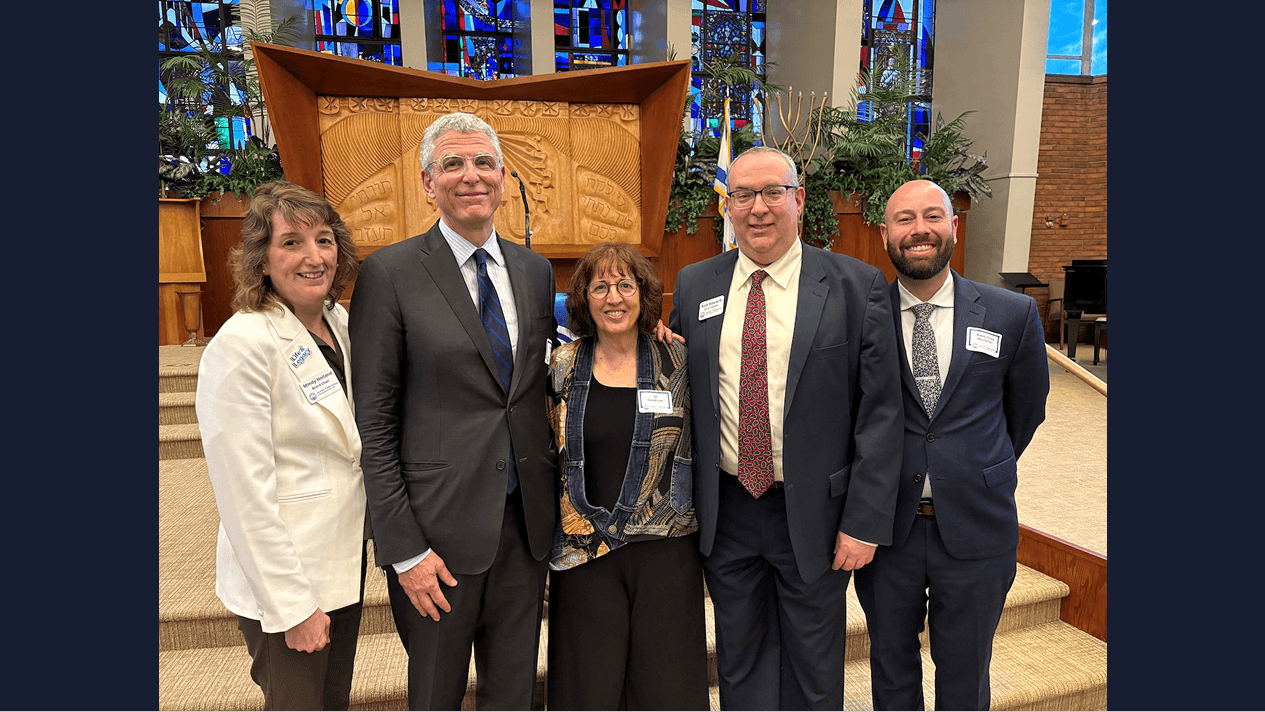
Union Of Reform Judaism president speaks at Beth Emeth
Over 250 community members gathered at Albany’s Beth Emeth to hear URJ President Rabbi Rick Jacobs speak on the future of Israel.
The Jewish World Team
June 4, 2026

Local
Community News
Ohav Shalom to honor volunteers at annual Shomrei HaBayit program
Congregation Ohav Shalom in Albany will honor four volunteers at its annual Shomrei HaBayit recognition event on June 7.
The Jewish World Team
June 4, 2026
Local
Community News
Shalom Food Pantry Battle of the BBQs set for June 21; Fund-raiser to help the hungry
The ninth annual Battle of the BBQs returns June 21 at the Albany JCC, raising funds for Shalom Food Pantry’s year-round hunger relief efforts.
The Jewish World Team
June 4, 2026
Local
Community News
Union Of Reform Judaism president speaks at Beth Emeth
Over 250 community members gathered at Albany’s Beth Emeth to hear URJ President Rabbi Rick Jacobs speak on the future of Israel.
The Jewish World Team
June 4, 2026
Local
Community News
Ohav Shalom to honor volunteers at annual Shomrei HaBayit program
Congregation Ohav Shalom in Albany will honor four volunteers at its annual Shomrei HaBayit recognition event on June 7.
The Jewish World Team
June 4, 2026
Local
Events
JFS slates Holocaust Survivors Day luncheon; to celebrate their resilience on June 4
Federation and JFS partner for a June 4 kosher luncheon honoring local Holocaust survivors and the emergency fund that keeps them at home.
The Jewish World Team
May 27, 2026

© 2026 The Jewish World · Since 1965 - The Capital Region's gateway to Jewish life
Designed and Developed by Ta-Da Studios
© 2026 The Jewish World · Since 1965 - The Capital Region's gateway to Jewish life
Designed and Developed by Ta-Da Studios
© 2026 The Jewish World · Since 1965 - The Capital Region's gateway to Jewish life
Designed and Developed by Ta-Da Studios
© 2026 The Jewish World · Since 1965 - The Capital Region's gateway to Jewish life
Designed and Developed by Ta-Da Studios