Photo credit- KKL-JNF Hula Valley Wildlife Acclimation Center
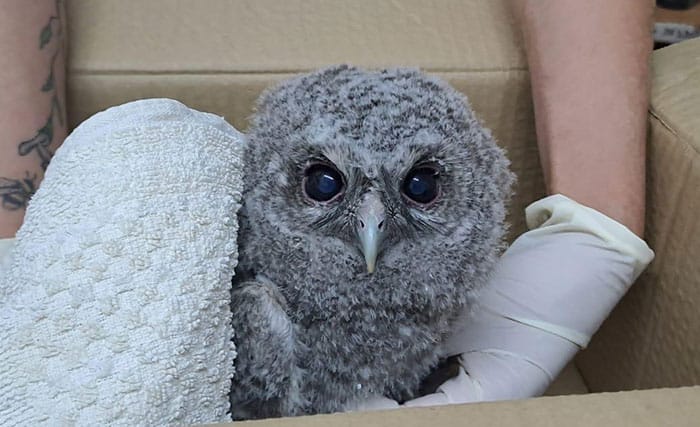
At the height of nesting season, a moving rescue took place at KKL-JNF’s Hula Valley Wildlife Acclimation Center: for the first time ever, the team took in a newborn tawny owl, just days old.
The KKL-JNF Hula Valley Wildlife Acclimation Center, established by Keren Kayemeth LeIsrael–Jewish National Fund (KKL-JNF) in collaboration with Tel-Hai College, rescued a newborn tawny owl and is now providing him with dedicated care. Sparsely covered in plumage and with eyes still shut, this tiny, orphaned chick has become one of the season’s most touching stories, as he receives essential treatment.
Keeping Him Wild
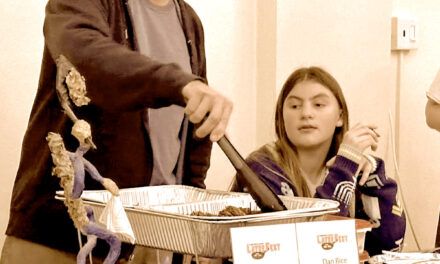
To ensure the chick has the best possible chance of survival when he returns to the wild, the staff and volunteers at the center are taking extensive measures. They wear camouflage hats and use a life-sized tawny owl puppet to feed him, helping to develop an affinity for his own species. They also take steps to prevent imprinting, a phenomenon in which hatchlings identify the first being they see as their mother. Imprinting may cause hatchlings to lose their natural fear of humans, impair hunting skills, hinder integration into the wild, and create difficulties in finding mates of the same species. Through this careful process, the center’s staff are dedicated to preparing the tawny owl for his return to nature and ensuring he plays his part in a healthy ecosystem.
Other Birds Too
Tawny owls are not the only species finding refuge this season. The center has received dozens of chicks from various species—including birds of prey such as kestrels and owls, as well as many songbirds—that have fallen from nests or arrived injured. Even during the recent escalation with Iran, the team and volunteers at the Wildlife Acclimation Center continued to provide each bird with precisely what it needed.


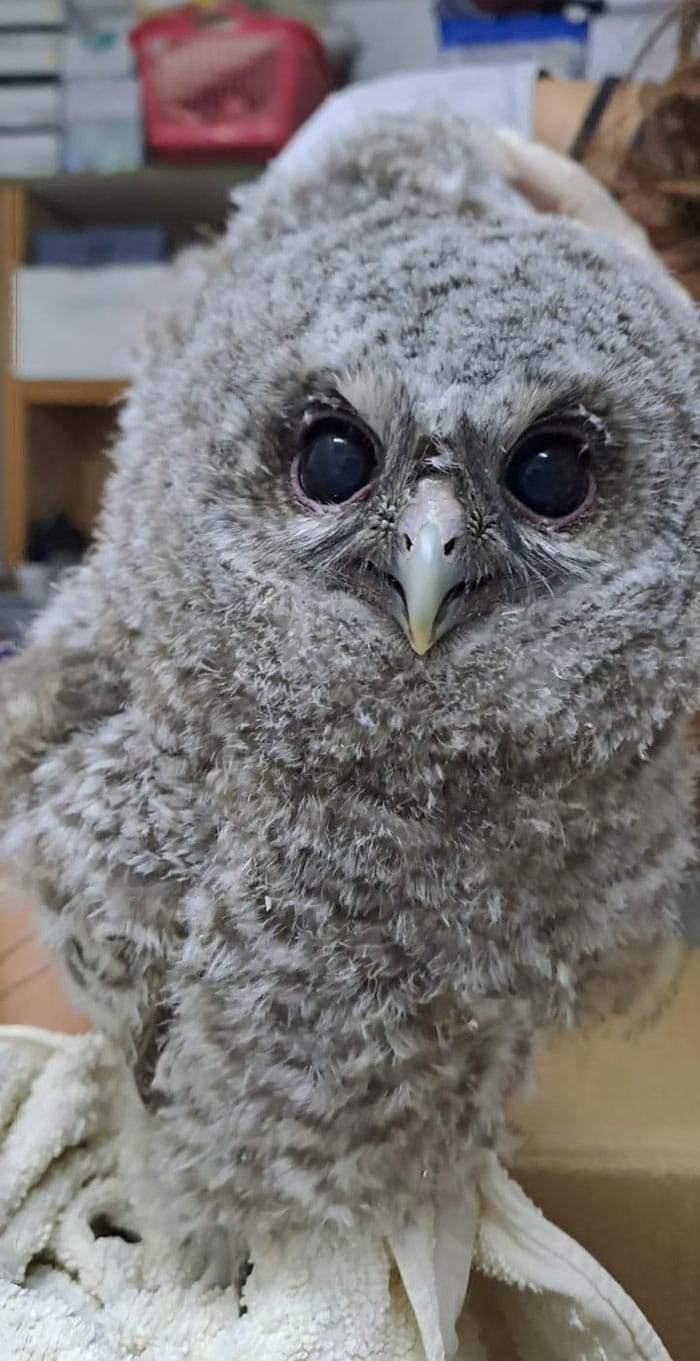
Photo credit- KKL-JNF Hula Valley Wildlife Acclimation Center
A Second Chance
KKL-JNF Hula Valley Wildlife Acclimation Center was established to care for and rehabilitate injured wildlife from the Galilee and Golan regions. It stands as a testament to what is possible in rehabilitation and rescue, even in cases that may seem hopeless. The story of this baby tawny owl proves that with professional, determined care, a second chance is possible—not just for him, but for the entire ecosystem, which relies on species like the tawny owl to maintain nature’s delicate balance.
Dr. Rona Nadler Valency, KKL-JNF’s chief veterinarian and director of the wildlife acclimation center, stated: “This is the first time we’ve taken in a tawny owl at such a young age. It’s a critical stage in his development, the very moments when he opens his eyes and begins to discover the world.
Watching him grow stronger, gain confidence, and join the other chicks is not just moving, it’s a reminder of the core of our mission: to bring life back to nature.”
Inbar Shlomit Rubin, fielddirector at KKL-JNF’s Hula Lake, added: “Hula Lake is one of Israel’s most critical habitats, serving not just as a stopover for migratory birds, but also a safe space for nesting. Unfortunately, the past two years have been challenging for nature, as well. The sounds of war and the wildfires have caused stress and a decrease in nesting during the spring of We’re here to protect wildlife, care for them, and hope for peace that will allow them all to return home safely.”